Alternatives Social Media Platforms: Discover Smarter Platforms for Professionals and Learners.
June 26, 2025 Category: Alternative Social Platforms
Dissatisfaction with mainstream social media is rising due to privacy violations and algorithmic manipulation. Professionals and educators seek platforms prioritizing privacy, intentional engagement, and flexible content strategies. This article explores alternatives that offer safer, more focused digital spaces than platforms like Facebook and Twitter. We will investigate platforms such as Mastodon, MeWe, Pixelfed, BlueSky, and community driven environments like Discord, and educational video-sharing sites like YouTube Shorts and TikTok. The goal is to highlight the potential benefits of these alternatives for professionals and educators, based on research and industry developments. As part of a smarter digital strategy, learning how to Repurpose Content Effectively can also amplify your reach across platforms.
In this blog, we explore the best Social Media Sources.
Privacy-Focused Social Media Alternatives
A cultural movement towards data protection is fostering alternatives that value privacy. This section explores platforms designed with privacy as a core feature.
Mastodon
Mastodon is a decentralized alternative to Twitter, using a federated model where users select independent servers. It enhances data security with community moderation and an ad-free, chronological feed. Its open-source nature ensures user interactions aren't monetized.
MeWe
MeWe prioritizes privacy, free from ads and news feed manipulation. It offers familiar features like groups and chats while protecting user data, making it suitable for privacy-conscious professionals and educators.
Pixelfed
Pixelfed is an open-source, decentralized photo-sharing platform and a privacy-friendly alternative to Instagram. It lacks third-party tracking and ads, offering a chronological feed for genuine engagement.
BlueSky
BlueSky emphasizes decentralization and user control. Its Twitter-like interface avoids algorithmic manipulation and targeted advertising, promoting transparency and user autonomy.
Confinity
Confinity focuses on "memory-first" social media, emphasizing safe, private sharing for personal legacies. It minimizes data collection and uses algorithm-free feeds.
Community Driven Platforms for Professional Collaboration
Platforms promoting community-driven engagement facilitate focused networking and knowledge sharing. This section highlights platforms known for their community-building.
Discord
Discord has evolved into a versatile platform for various communities. Its server-based structure allows organized channels for targeted conversations, enhancing real-time collaboration for professional networking and educational discussions.
Slack
Slack's interface and organized channels are popular for team communication. Integrated with tools like Google Drive and Trello, it enhances coordination and resource sharing, promoting collaboration in professional settings.
Mighty Networks
Mighty Networks offers tools for creators and educators to foster interactions. It supports rich media and online courses, combining social interaction with educational content and enabling monetization.
Thinkific and Discourse
Thinkific and Discourse are suited for building communities around learning. Thinkific streamlines course management, while Discourse facilitates discussions. They enhance community management through curated discussions and educational content.
Visualization: Features of Community-Driven Platforms
| Feature | Discord | Slack | Mighty Networks | Thinkific/Discourse |
|---|---|---|---|---|
| Primary Functionality | Real-time voice, video, and text chats | Organized team communication | Community building and online courses | Course management and forum-based discussions |
| Integration with Other Tools | High (integrates with bots and APIs) | Excellent (integrates with Google Drive) | Moderate (focus on community tools) | High (integrations with LMS) |
| User Engagement | High real–time interactions | Moderate to High – team channels | Highly interactive events and courses | Highly in-depth discussions |
| Ease of Community Management | Flexible, requires setup | Intuitive and streamlined | Comprehensive community features | Structured educational modules |
Video-Sharing and Short-Form Content Platforms in Education
Short-form video content is transforming education by enhancing engagement and accessibility. This section examines how platforms like YouTube Shorts and TikTok foster engagement and promote equitable access to educational resources.
The Growth of Short-Form Video Content
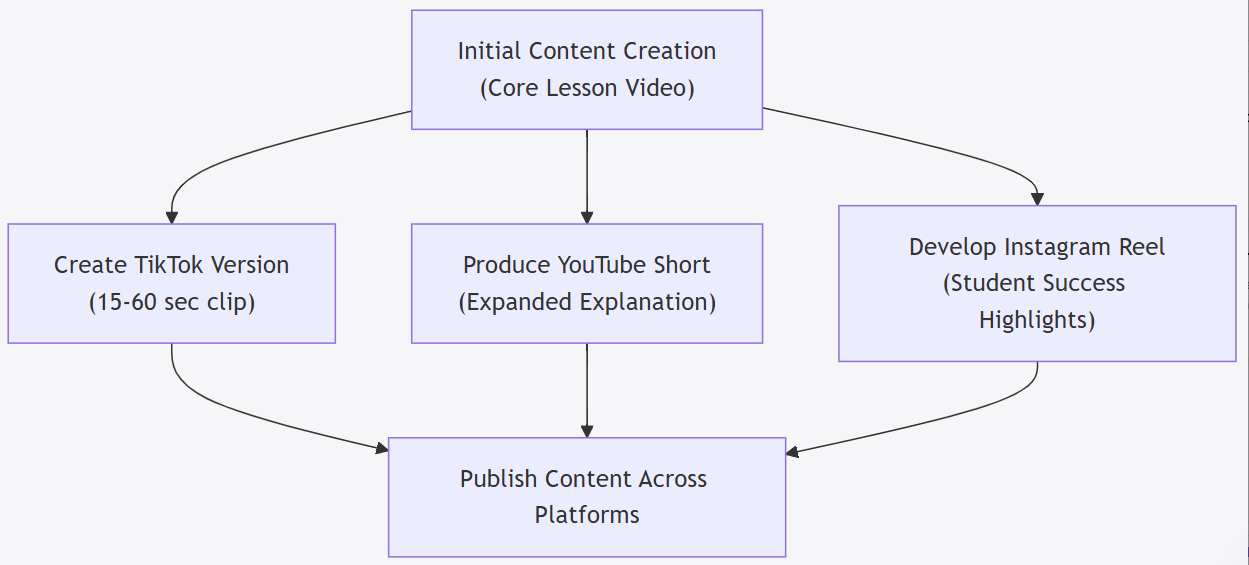
Short-form videos (15 seconds to 2 minutes) enhance student engagement and provide higher conversion rates. They convey information through visuals and interactive elements. Educators repurpose content across platforms like TikTok and YouTube Shorts to maximize reach.
Educational Applications
Short-form videos support microlearning, delivering content in manageable segments. Interactive elements engage audiences and provide feedback. YouTube Shorts enhance visibility and attract subscribers.
Addressing Challenges in Content Creation
Challenges include resource constraints and maintaining quality. AI tools and streamlined processes help manage content updates. Tailoring content to each platform enhances quality and aligns with audience preferences.
Final Summary Table
| Aspect | Traditional Social Media | Effective Alternatives |
|---|---|---|
| Privacy and Data Control | Extensive data tracking | Decentralized, ad-free models (e.g., Mastodon, MeWe) |
| User Engagement | Algorithm-driven, impersonal | User control with community moderation (e.g., Discord, Slack) |
| Content Strategy | Broad, generic content | Targeted, repurposable content (e.g., YouTube Shorts) |
| Community Building | Surface-level groups | Niche-based networks (e.g., Mighty Networks) |
By selecting aligned platforms, users can reclaim control over digital interactions, ensuring secure and enriching experiences.
Frequently Asked Questions (FAQs)
Some of the top social media alternatives to Facebook include MeWe, Minds, and Diaspora. These platforms prioritize privacy, user control, and ad-free experiences, making them ideal for professionals and conscious users.
Vero and 500px are solid alternatives to Instagram. They allow creators to showcase visuals without algorithms, ads, or data mining, making them suitable for authentic engagement.
Yes. Mastodon is a decentralized, open-source platform that offers a similar experience to Twitter but gives users more control over data and moderation. It’s widely used by academics, tech communities, and digital privacy advocates.
If you're looking for a professional or safer alternative to TikTok, consider YouTube Shorts or Vimeo. These platforms are more regulated, allow better content control, and suit brands aiming for a professional tone.
Yes, Minds and Lemmy are growing platforms that function similarly to Reddit but with more focus on freedom of speech and community control. Minds also offers monetization features.
Mainstream platforms like Facebook and TikTok often come with data privacy issues, distraction-heavy feeds, and limited organic reach. Social media alternatives offer more focused, intentional spaces that align better with professional goals, learning, and productivity.
Absolutely. Platforms like Substack, Medium, and LinkedIn Articles let you grow through long-form content, email subscribers, and SEO instead of chasing algorithms. Pair this with content repurposing strategies to maximize impact.